
The Japanese form of alternative medicine is intended to give you a burst of energy, something we could all do with at the start of a new year. Here's why you should consider taking a reiki break
Energy healing may not quite be a water cooler conversation staple just yet, but the growing awareness of holistic wellness means that a number of ancient practices have been on the rise in recent years. In addition to moments when we can recharge and unwind, many people are longing for deeper connections, peace, and meaning in their lives. Such urges have seen interest in the ancient practice of reiki soar.
Relaxation, rejuvenation, inner peace, warmth, connection, stress relief and enhanced energy are the watchwords of the practice, which first landed in Scandinavia in the 1980s. Although reiki in its modern form is largely considered Japanese thanks to it being revived and codified by Dr Mikao Usui a century ago, the practice actually has roots going back to ancient Tibetan traditions. Dr Usui started his own reiki clinic in Tokyo in 1922 and spread the practice in the country through his treatments and trainings. He passed away four years later, but his trainees continued to spread reiki's benefits, helping to introduce it to the US and Europe. One of the pioneering reiki practitioners in Europe was Wanja Twan, who brought the practice to her native Sweden in 1982.
Despite having been in the region for four decades however, it's only relatively recently that it has seen its popularity boom.
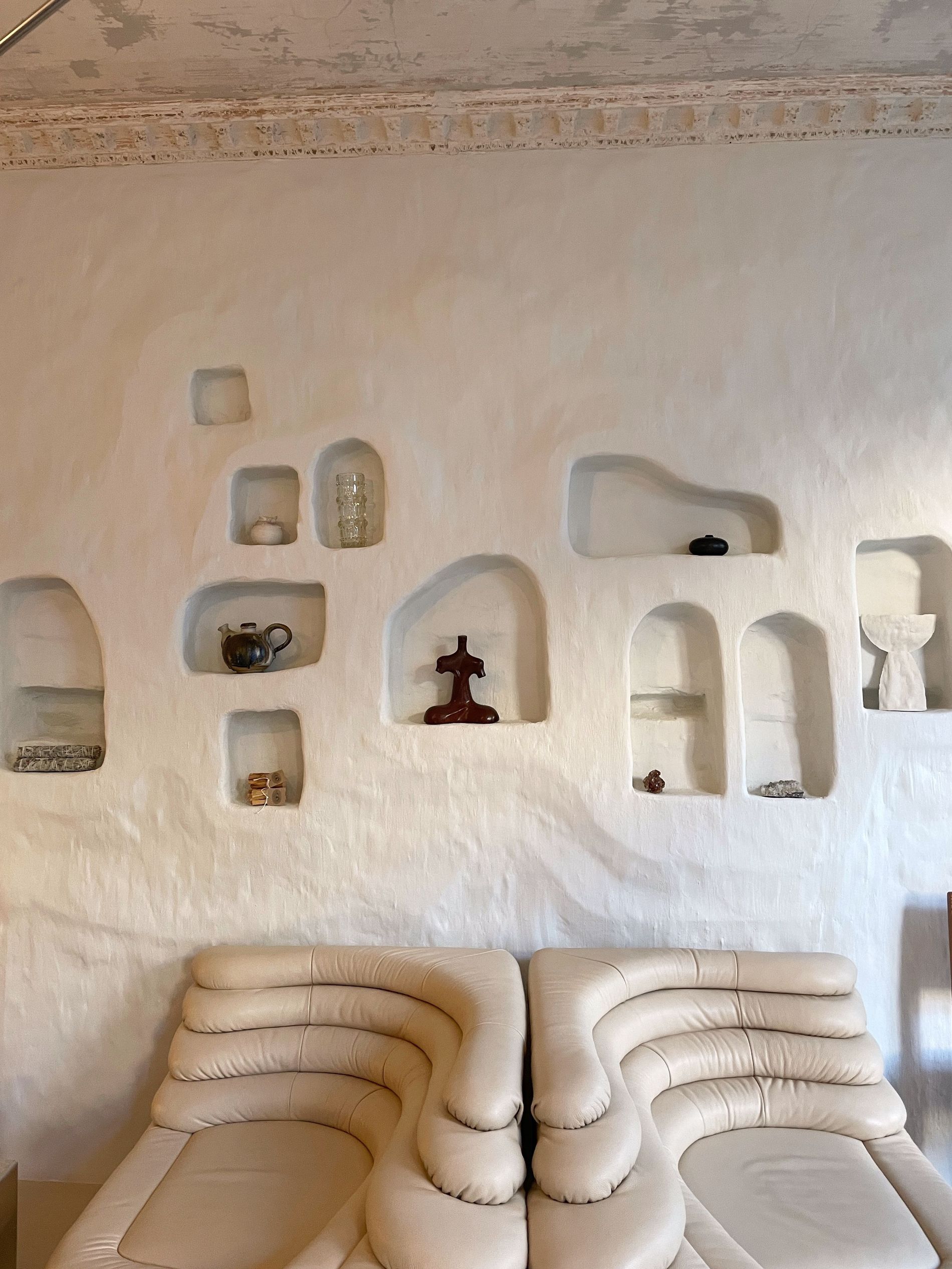
Inside Gaia a studio in Oslo. Photo: Gaia Oslo
Stockholm-based Rosanna Irgensdotter swapped a career at H&M to become a reiki practitioner four years ago and has worked full-time with it since. She has held over 20 training sessions in that time and has co-founded a modern education centre In Spirit Reiki in order to meet the increased demand and help spread the practice. “Reiki was still a bit uncommon when I started back in 2018, but it has grown so much since then and both treatments and trainings are now fully booked all the time," she says. "It is such an amazing treatment that everyone can benefit from. Reiki is so powerful to use for yourself or your family in your everyday life."
Irgensdotter is also keen for reiki to be seen in new contexts. "It can easily be incorporated into other professions as well - for example, it's a perfect tool for a coach, hairdresser, or anyone working within beauty or wellness," she says. "That’s why In Spirit Reiki came to life, because reiki is so easy and incredible to include in your life and we hope more and more people will discover its magic.”
So what does reiki actually entail?
Proponents use a hands-on healing technique where they believe energy is transferred through the palms of the practitioner to the client. The hands of the practitioner lightly touch different points on the client’s body, starting from the head and progressing down to the toes. The points are so-called “energy points” around the body’s chakras, thought of as areas where energy channels ("meridians") meet. The reiki energy is thought to be the universal energy, “ki” (the same energy as “qi” in traditional Chinese medicine and “prana”, which is talked a lot about in yogic and Ayurvedic philosophies), that naturally flows through all living things. The natural stream of this energy that we have inside of us gets a boost and activation during reiki, according to practitioners.
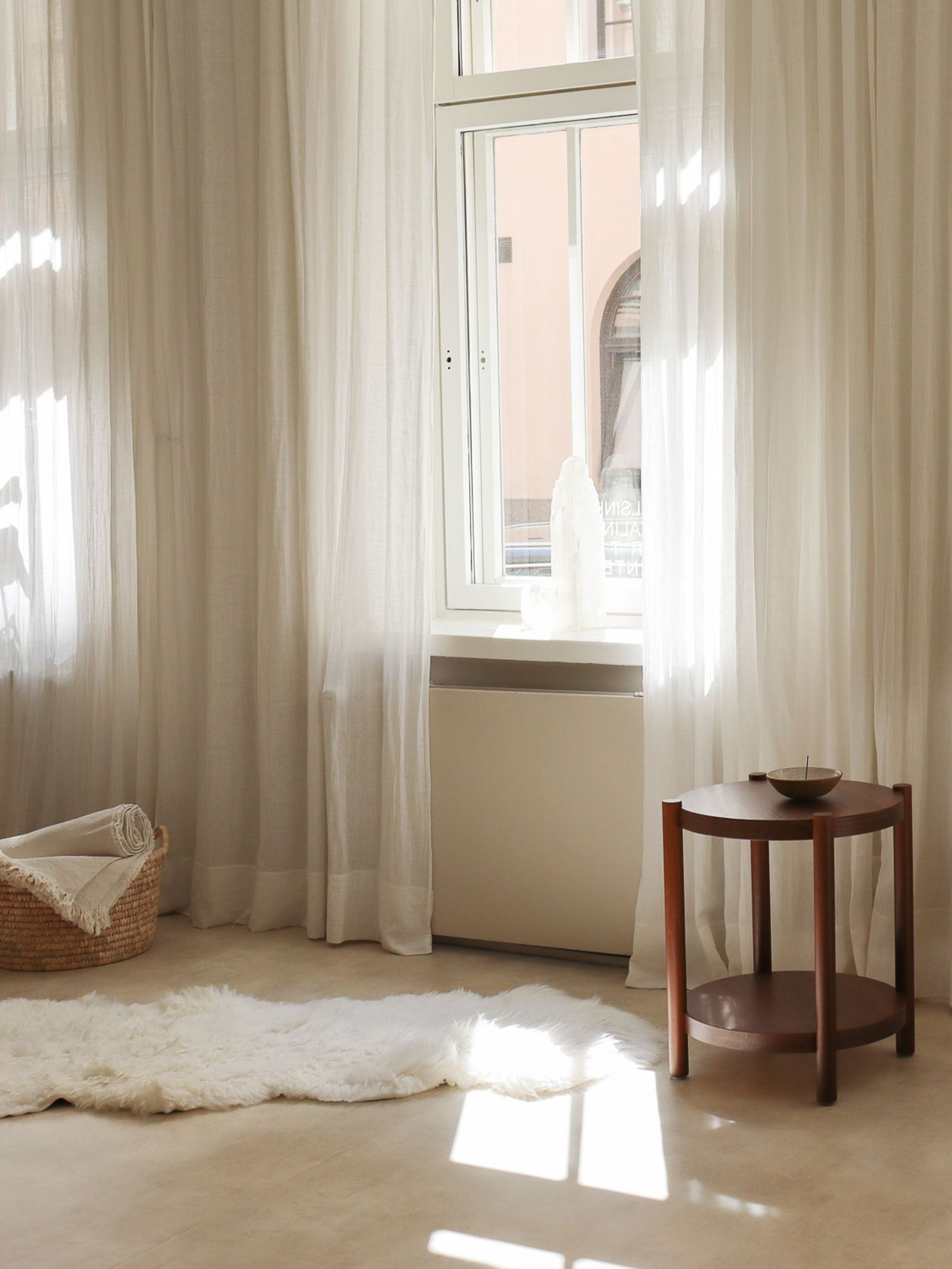
Photo: Helsinki Healing Arts Center
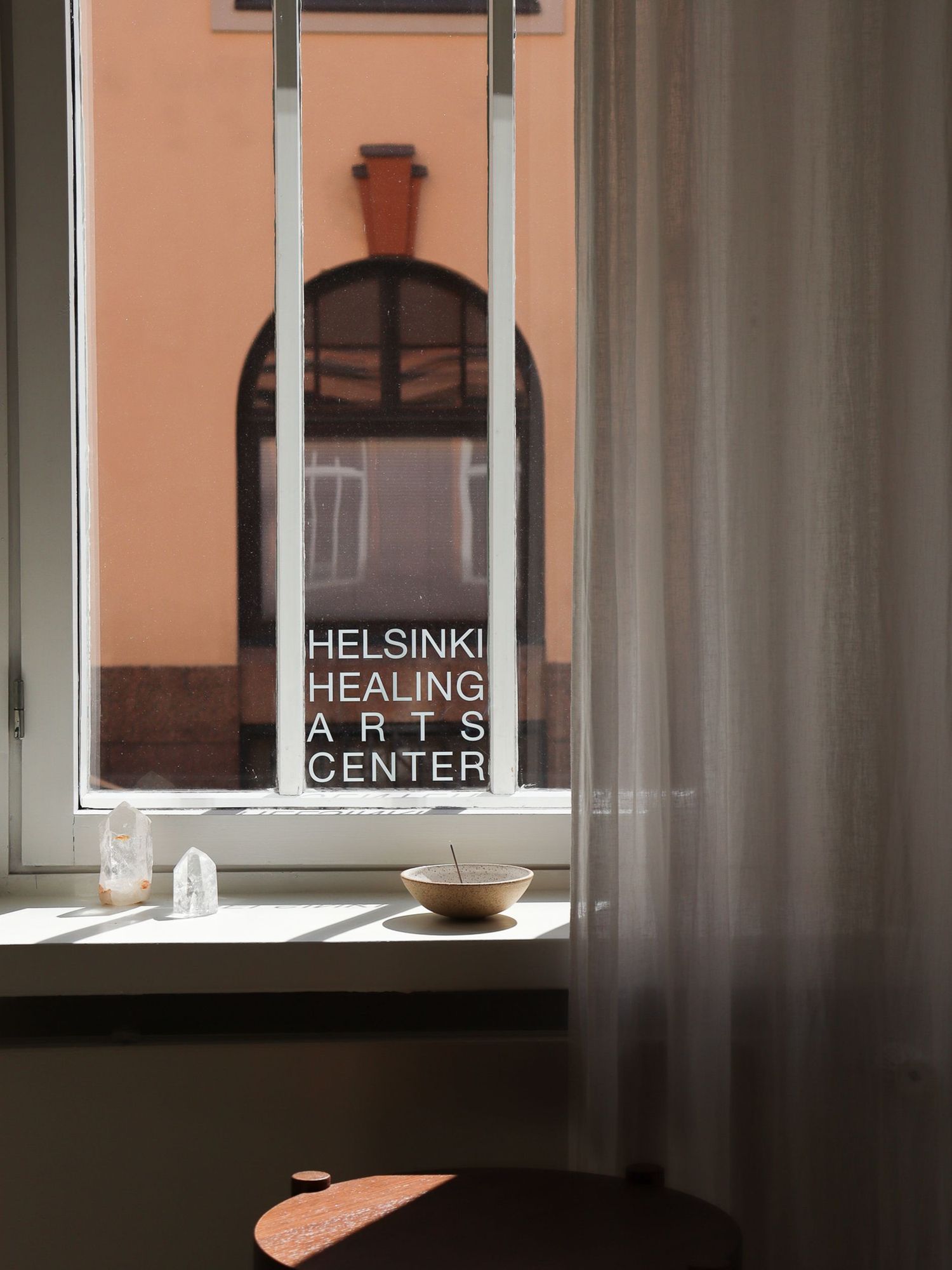
Photo: Helsinki Healing Arts Center
The client often experiences reiki as enabling a very deep and grounding relaxation, followed by a post-treatment boost of energy. The hands of the practitioner are often experienced as very warm by the client, but it is also common to feel tingling and cold sensations in the body during a treatment. “The hormone oxytocin [which helps to decrease stress and anxiety] is released and our heart rate slows down, and the effects of a treatment can even last for days," says Irgensdotter.
In addition to this hands-on technique, the practitioner also works with different symbols, and sometimes also sounds. Adherents also believe that the healing can be performed over distance. Such methods and tools are taught by reiki teachers, called Grand Masters, and it's a remarkably accessible practice to pick up.
Stockholm’s brightest star when it comes to Pilates and healing is Remedy, and the studio offers both reiki treatments and classes where a mix of guided meditation and reiki healing is experienced. Similar concepts can also be found in other Scandinavian capitals, for example at Helsinki Healing Arts Center – an incredibly beautiful sanctuary with a bright and modern atmosphere in the heart of the Finnish capital’s Ullanlinna district, founded and run by Kajsa and Kuldip Quinterno.
“What I love the most about reiki is how it reconnects me with inner peace and returns me to a space of light," says the New York-born Kuldip. “I believe people are drawn to reiki to experience deep relaxation and connection to self through safe and loving touch, and I think it has come into more people’s consciousness because the time is right — our human nature is guiding us back to our humanity where peace is possible.”
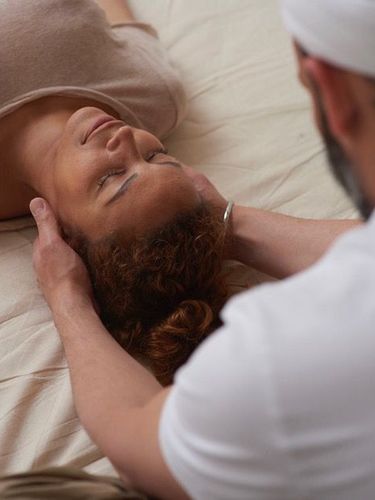
Photo: Helsinki Healing Arts Center
Intuitive Guide and Healing Facilitator Ina Winter Andersen offers reiki sessions at Oslo’s first all-in-one health studio, Gaia Oslo, founded by Randi Marie Viksjø. In addition to energy healing, this stunning space also offers infrared saunas, yoga, meditation, osteopathic treatments, and a well-curated shop where crystals, chakra oils, homemade elixirs, and vegan snacks grace the shelves.
Winter Andersen agrees with Quinterno that reiki's time has come. “On the surface, spirituality and holistic wellness have been trending for a while now, naturally leading more people to the practice," she says. "Even though we are getting more connected through technology, this ultimately removes us from connecting on a deeper level to ourselves, nature and each other. Many are searching for deeper meaning and being part of something bigger. The opening of minds, curiosity and spiritual awakening is happening at an increasing rate all over the planet, and I think this is why we see an increase in holistic and spiritual practices in popular culture."
While such "alternative" methods were once ridiculed or thought of as unscientific, Winter Andersen argues that they are increasingly gaining mainstream medical recognition. “We see that the gap between spirituality and science is closing in, and new studies and science are starting to catch up with and acknowledge many things ancient practices have always known," she says. "With this recognition, more and more people are open to experiencing it.”
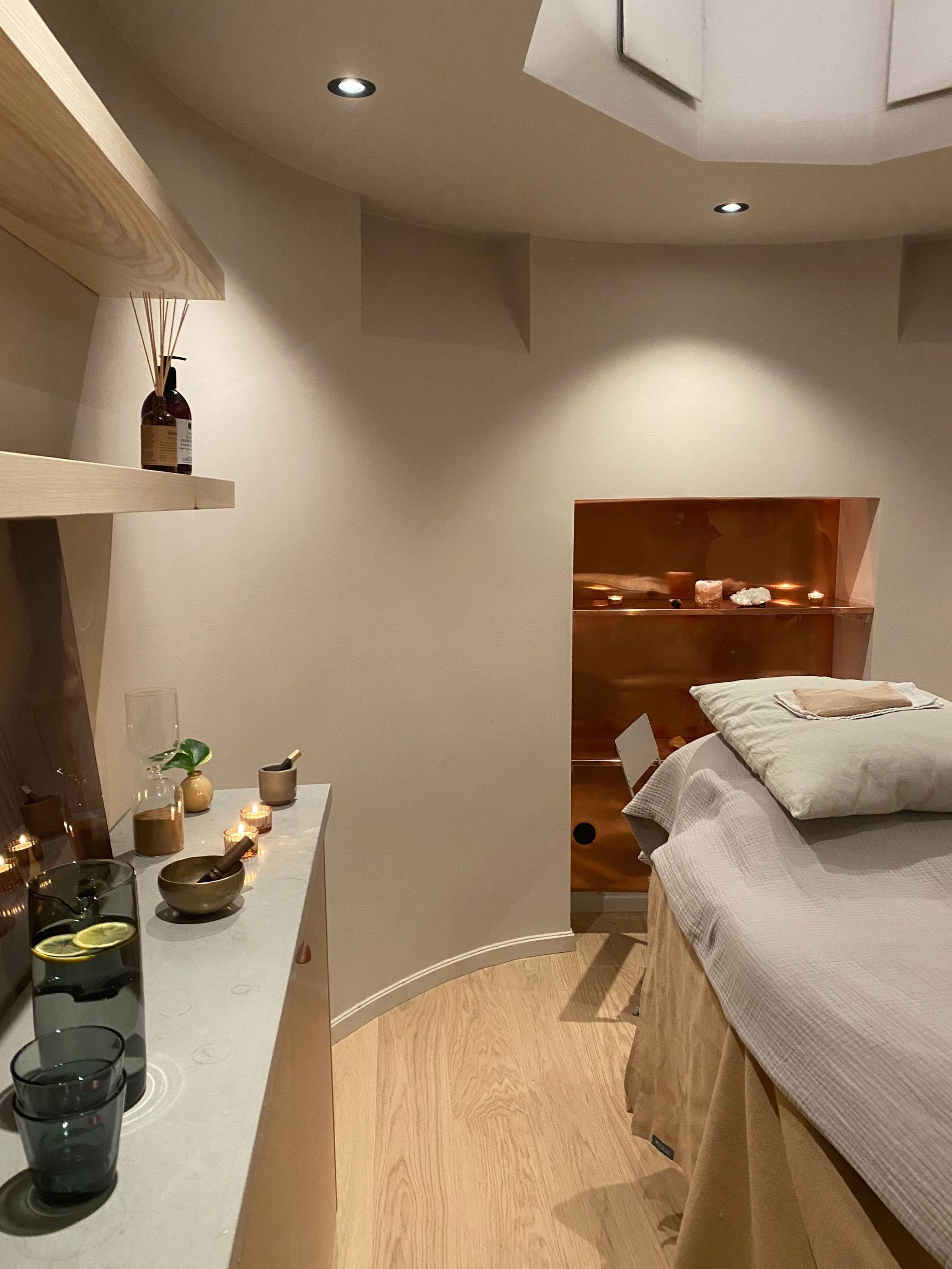
Treatment room at Remedy. Photo: Remedy
Today, energy healing is being offered by some hospitals in the US, UK and Norway as an alternative treatment to help ease anxiety, stress, and pain. It is also often used to help patients cope with conventional cancer treatments or with pain from chronic diseases. Of course, such treatments won't cure medical conditions, but the old dichotomy of medicine and alternative practices is increasingly being challenged as scientists and hospitals look at the impact of the two working together. “To get into health and wellness, we need to look at the whole picture together; the mind, body, and soul are undeniably connected,” insists Winter Andersen.
Ultimately, reiki can help to deepen our connection with ourselves. As Winter Andersen puts it, “I love reiki because it balances and supports our natural and innate capacity for healing, which puts us back into the driver seat of our own life, happiness and health."