Hair, much like skin, isn’t just one type – dry, oily, flat or frizzy – all over. Taking a more strategic approach is the secret to swishable locks this spring
All products featured on Vogue are independently selected by our editors. However, when you buy something through our retail links, we may earn an affiliate commission.
Few things in life are binary and despite what your shampoo label is telling you, that includes your hair. Strands can be dry in parts oily in others, flat on top and frizzy at the ends, so it would be remiss to treat them the same way from root to tip.
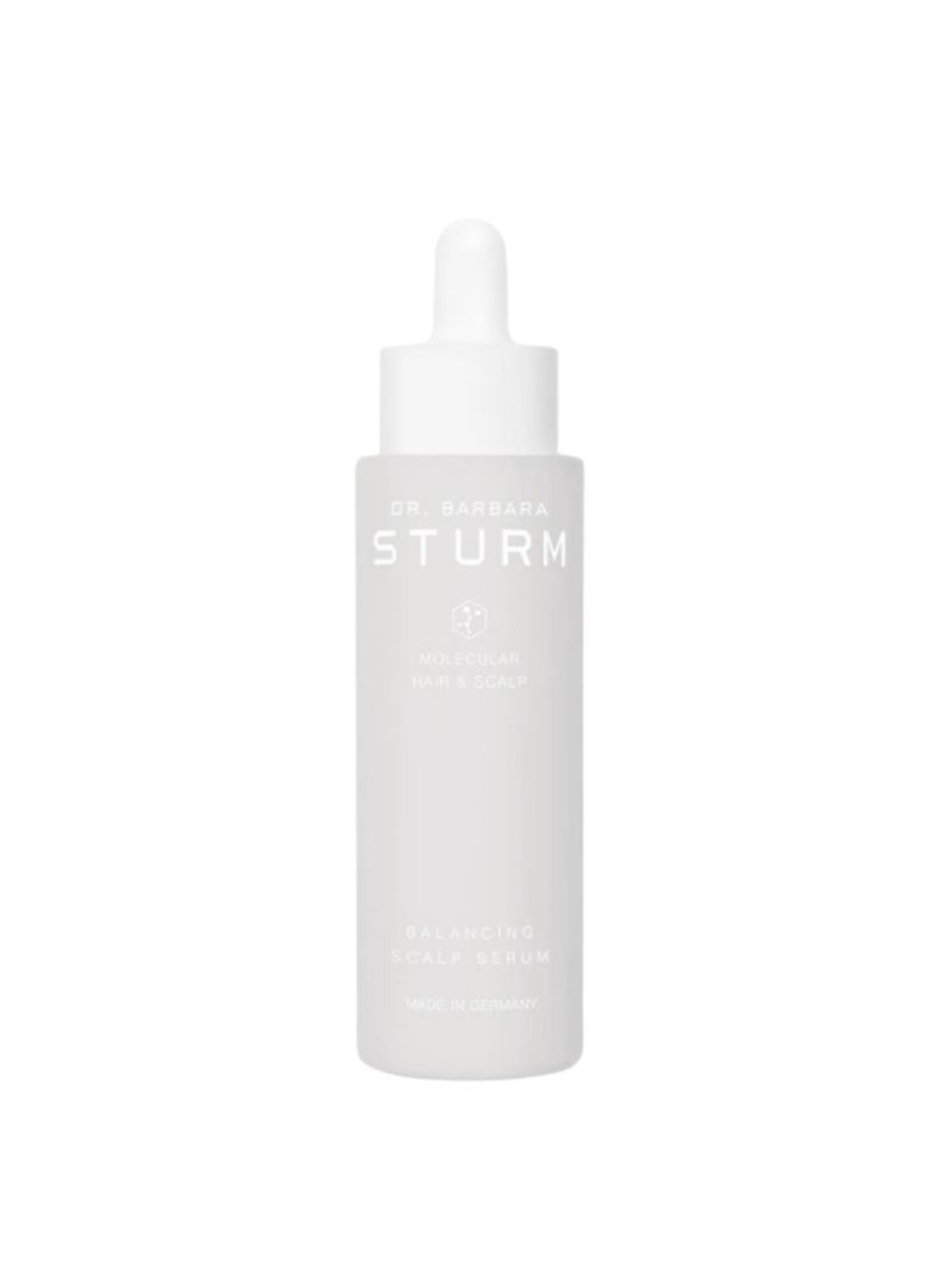
More skincare brands are now driving on the idea that the scalp, which is an extension of the skin on your face, is the key to sustaining healthier strands and restoring balance to combination hair. Notably, the molecular haircare collection from aesthetic doctor Barbara Sturm is divided into three core concerns rather than hair type – Balancing, Super Anti-Aging and Anti-Hair Fall – each with a targeted shampoo, conditioner, serum and mask designed to influence the scalp’s eco system known as the ‘scalp microbiome'.
“Studies have established a link between scalp health, hair growth and quality,” says Sturm. “The scalp is an extension of our skin: its surface provides a distinct environment for microbes. A balanced scalp microbiome can prevent specific inflammatory skin problems such as seborrheic dermatitis and help avoid altered cuticles, roughness and breakage. It can even influence the volume, shine, and vitality of hair.”

Photo: Gregory Harris
How to treat an oily scalp and dry ends
Perhaps your hair hangs in limp curtains around your face, or the roots never really feel clean no matter how diligently you shampoo. The scalp clocks up a staggering amount of congestion from styling products and airborne pollution, which can leave it feeling greasy. Fine hair also frequently ends up with oily roots. Counterintuitive though it might seem, despite the diameter of the hairs being skinny, a head of fine hair typically has more strands and therefore more oil-producing follicles.
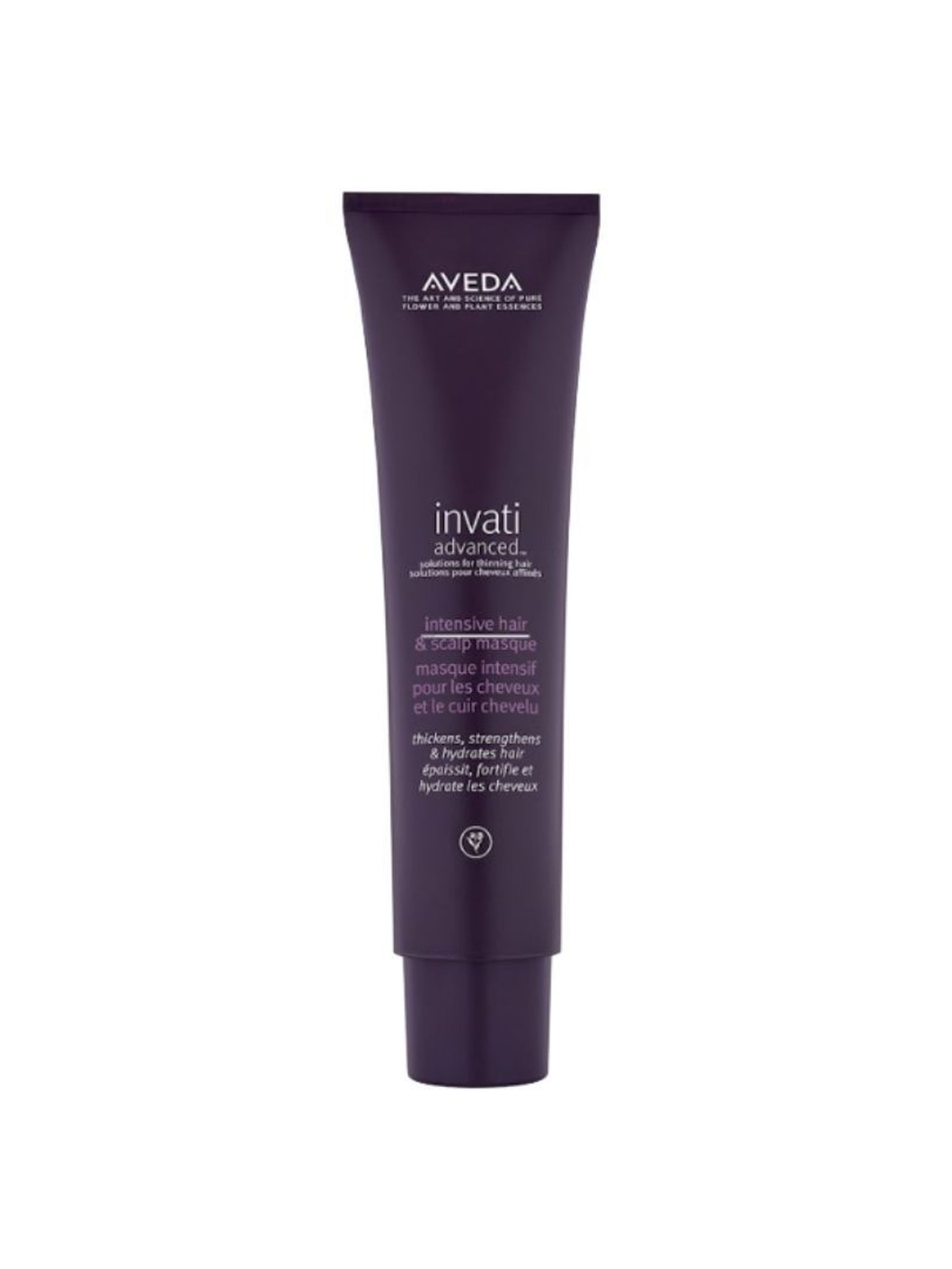
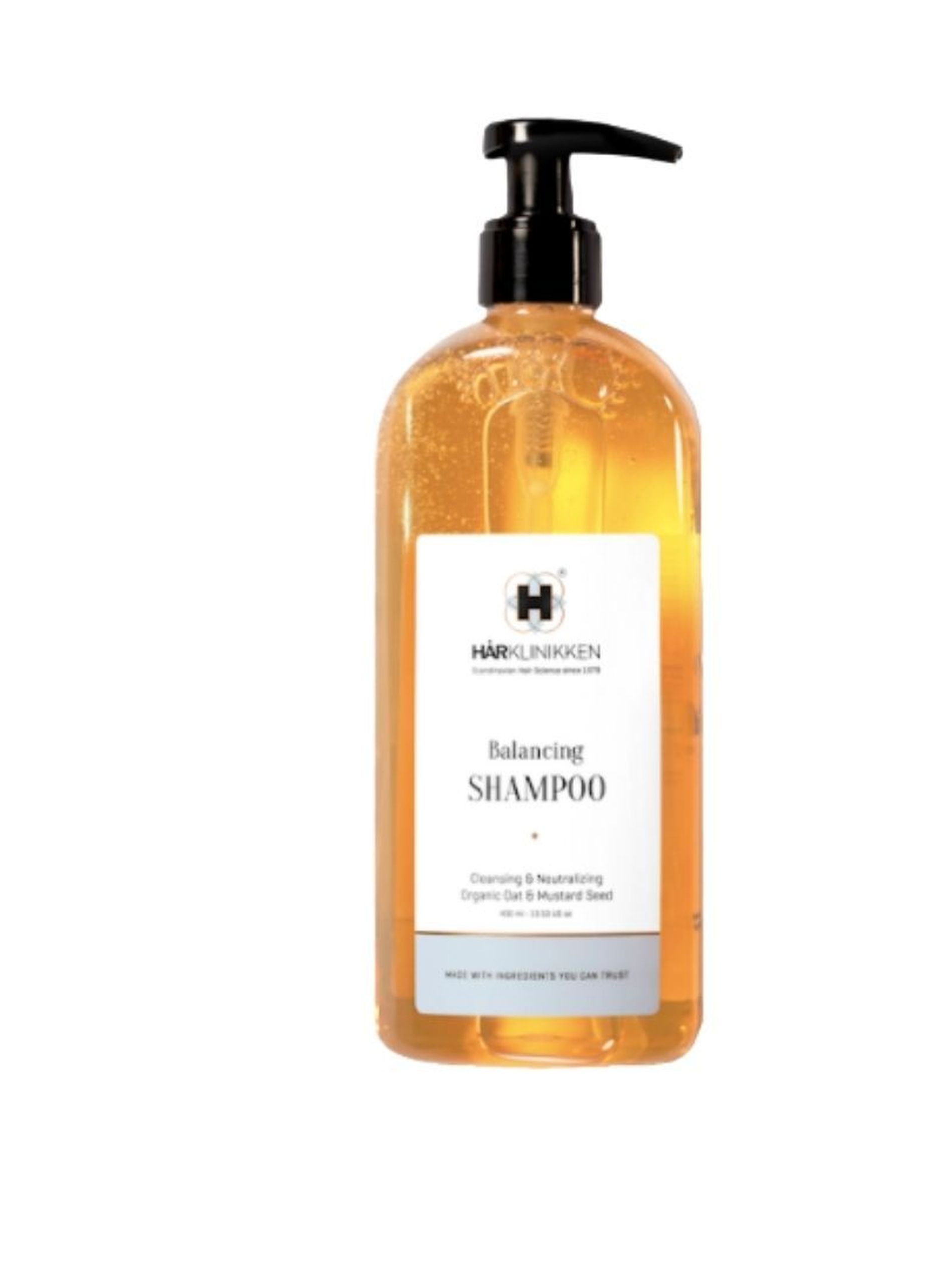
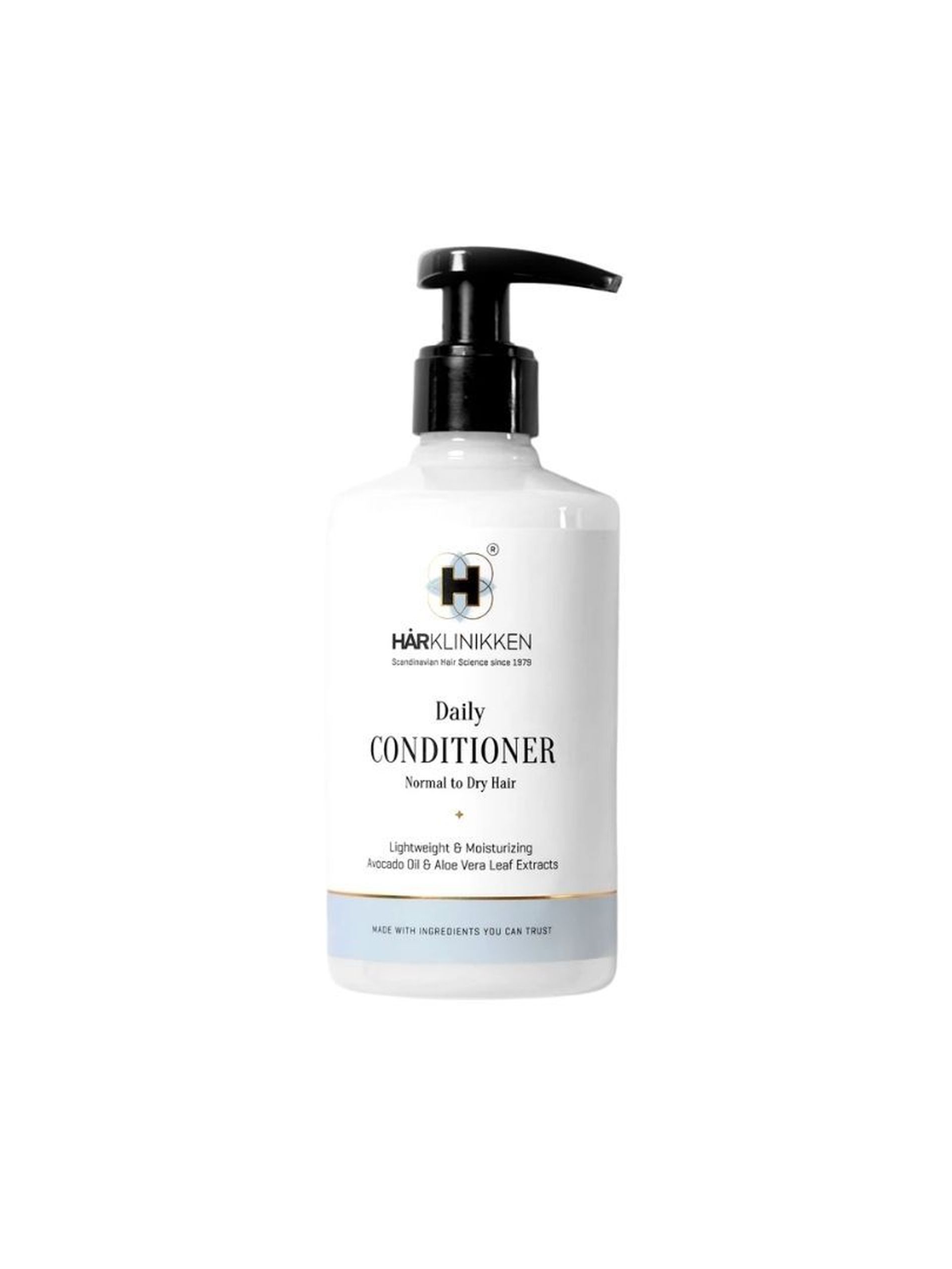
A weekly scalp detox tips the balance back in your favour. Try the Sachajuan Scalp Scrub to buff away pore-clogging debris followed by Aveda’s Invati Advanced Intensive Hair & Scalp Mask. Given the ends of your hair can be a few years old, they will naturally be drier so concentrate your efforts and the Ayurvedic ingredients on this area. For daily cleansing, choose a harmonising duo such as Harklinikken’s Balancing Shampoo, which restores the scalp’s pH levels, and Daily Conditioner with avocado for weightless hydration on mid-lengths.

Photo: Gregory Harris
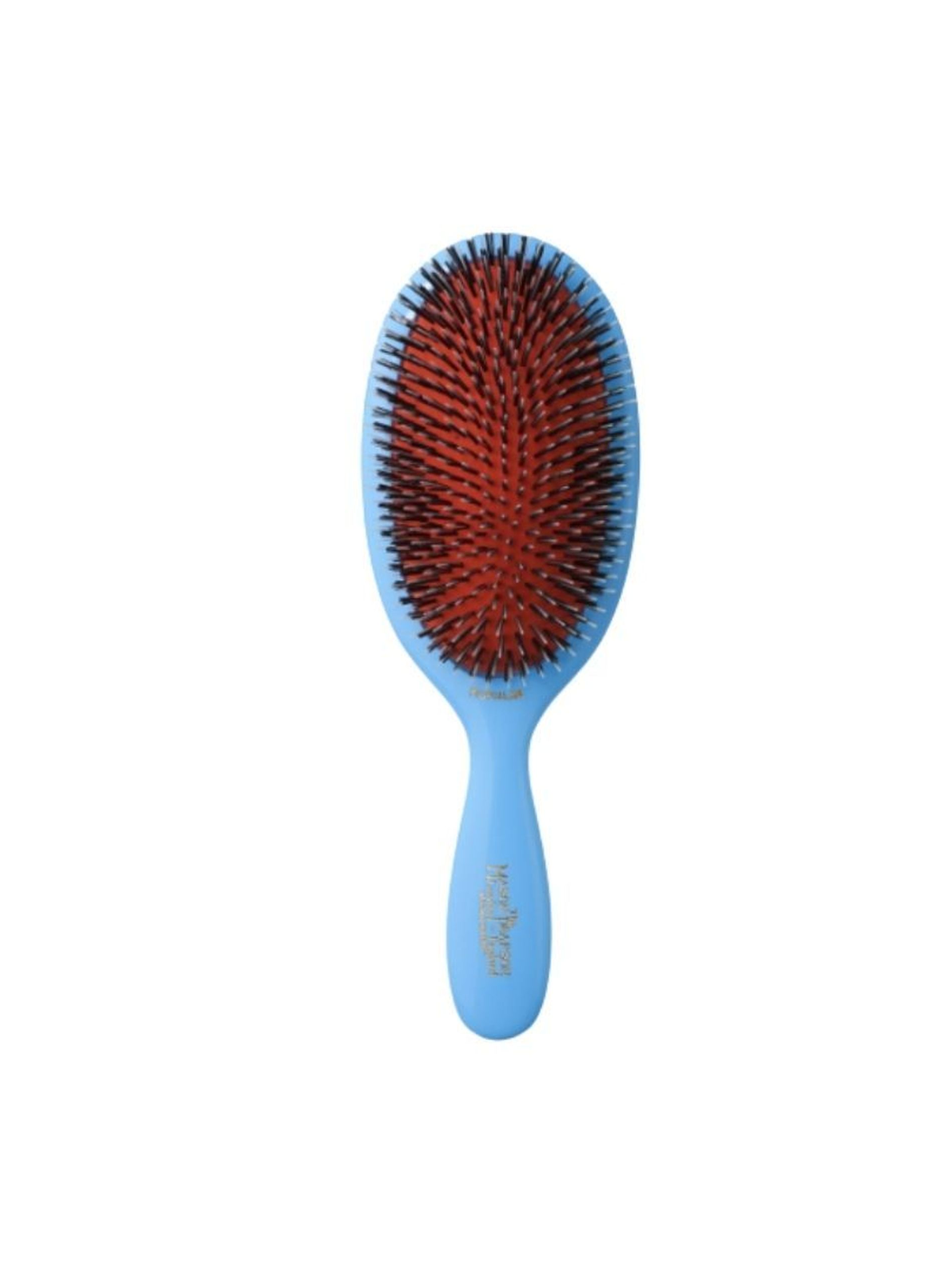
Lest you think a chalky dry shampoo is the most convenient way to blast oily roots into submission, the benefits are short-lived. Replacing real shampoo with a powdery one for more than three days in a row can lead to irritation and dehydrate strands. “The scalp’s natural oils are rich in nourishing fatty acids,” says Leonora Doclis, a trichologist at The Belgravia Centre, London. “By binding alcohol and starchy powders to these oils, they can no longer travel or moisturise from root to tip.” Hairstylist Cim Mahony has a more effective if not traditional approach. “Regular use of a Mason Pearson boar bristle brush distributes excess oil throughout the hair,” he says.
Scalp Care + Hydration

How to treat a dry scalp and dehydrated lengths
There are myriad reasons why you may be suffering from a dry scalp, ranging from hormones and stress to an omega-3 deficiency and hard water. Given approximately 20 per cent of Sweden and large swathes of the Greater Copenhagen area has hard water, deposits of minerals such as calcium and magnesium can get trapped on your scalp, altering its pH balance and leaving the skin tight and itchy.
Likewise, brittle ends aren’t down to one single culprit. The explanation can be as simple as fluctuations in temperature – from damp and humid to cold and dry – in winter. “Cold air contains less moisture, which makes hair more prone to being static and dry,” Mahony explains. “The lack of sweat and natural oils on our scalps at this time of year can also cause baby hair to frizz up at the roots and hairline.”
This problem is exacerbated in Afro hair as the curl pattern causes the natural oils produced by the hair follicles to reach the ends at a much slower rate, leaving strands drier and more prone to breakage. Add in raised cuticles, which mean curls tend to lose moisture more easily, and fortifying products become an even more appealing option.

Photo: Gregory Harris
The scalp is an extension of our skin: its surface provides a distinct environment for microbes
Dr Barbara Sturm, aesthetic doctor
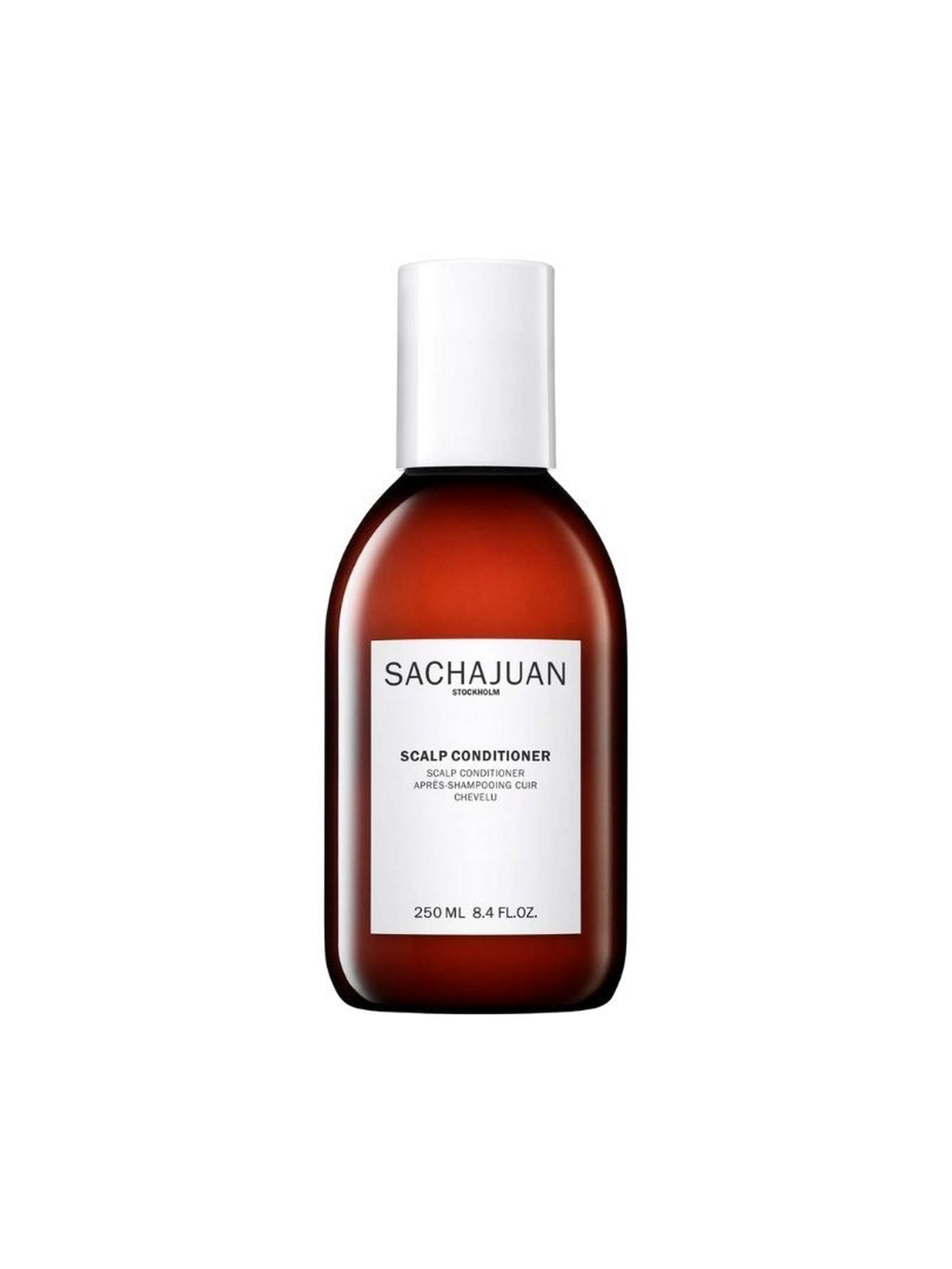
First off, treat the scalp with kid gloves and a scalp serum that deploys the same ingredients found in your skincare. Dr Barbara Sturm's Balancing Scalp Serum deploys algae to soothe flaky scalps and cationic hyaluronic acid, which adheres to the hair, enabling it to continue hydrating brittle strands long after rinsing. Omega-rich plant oils in L:A Bruket Jojoba Oil counteract dehydration while Sachajuan Scalp Conditioner is brimming with salicylic acid to gently break the bond between dandruff and the scalp to reduce skin shedding.
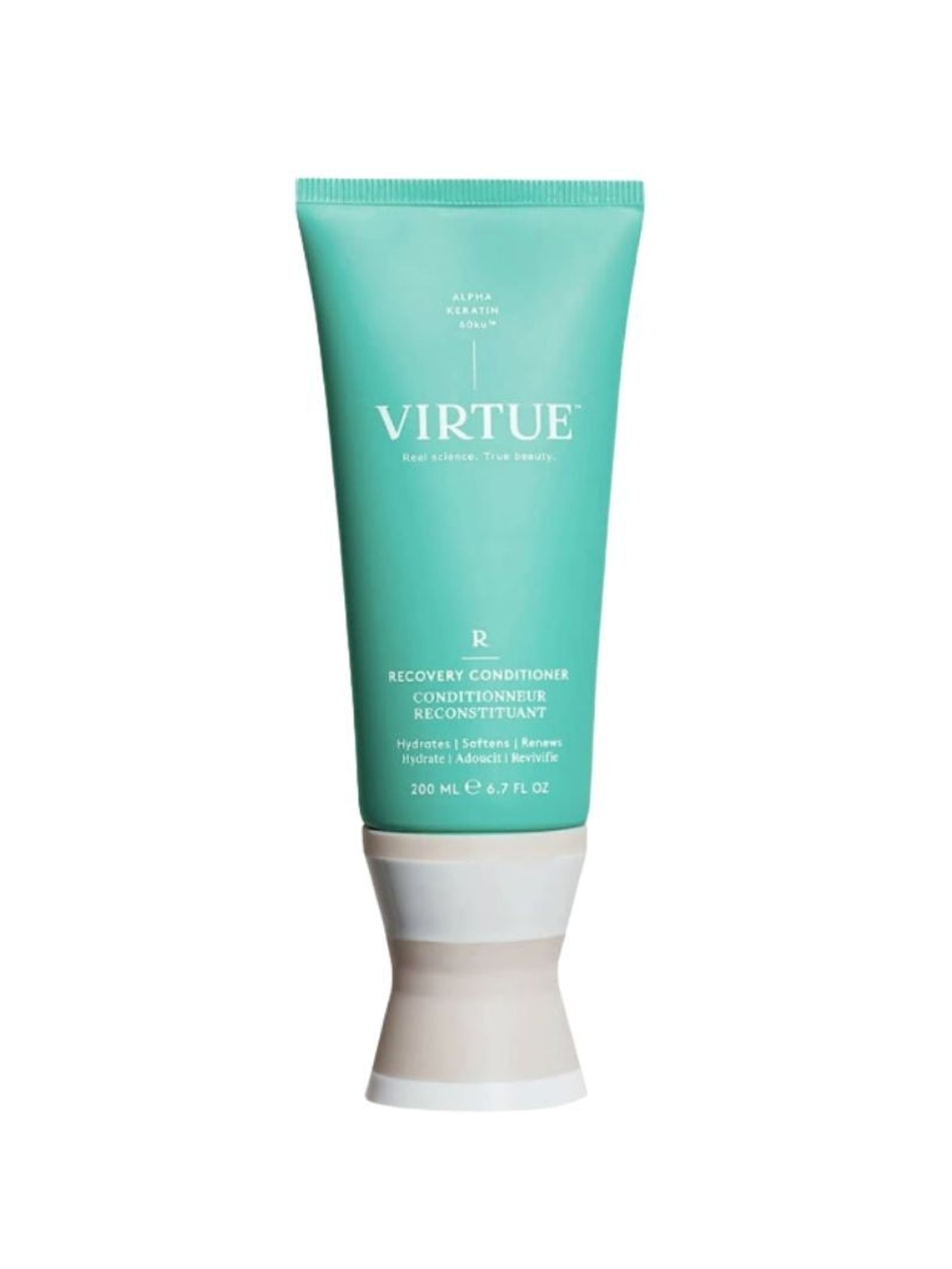
Then, scan the ingredients list on your shampoos and conditioners for serious hydrators such as shea butter and keratin, which helps to put protein back into the hair. Virtue Recovery Conditioner contains the Alpha Keratin 60ku molecule, the only human-identical keratin protein that, unlike animal by-products, is recognised by strands and goes to where it’s needed to fill in porous cracks.