The global market for sheet masks is set to be worth $2.9 billion by 2026 – proof, surely, that we can't get enough of this K-beauty inspired product. While sheet masks are never going to be great for the environment, innovation from some brands is at least minimising their impact
All products featured on Vogue are independently selected by our editors. However, when you buy something through our retail links, we may earn an affiliate commission.
Saturated in hydrating ingredients, sheet masks have come to the rescue of many a parched, lacklustre complexion. Sadly, the same heroics don't extend to their effect on the environment. In fact, sheet masks have been dubbed the new plastic straw: single use, difficult to recycle (if at all), and often made from an industrial polluter.
"Sheet masks are the skincare equivalent of fast food," declares Kirsi Kaukonen, co-founder of Niki Newd skincare. "The more components a product has, the bigger the negative carbon footprint and rubbish it leaves behind." These include the pouches that hold the sheet mask, which are often a combination of aluminium and plastic and can’t be recycled. The same is true of the plastic sheets you peel the mask away from, meaning nearly all components end up in landfill.
Then, of course, there’s the mask itself. Most are made with a blend of synthetic materials (nylon, polyester) or cotton, the production of which leans heavily on pesticides and water. Hydrogel masks fare no better as they comprise of plastic polymers. “These break down into microplastics, which pollute our oceans but also never properly disappear in nature,” says Kaukonen. "Plastic degrades very poorly and can end up in the groundwater that humans and animals drink from."
So, what’s the alternative?
A new raft of bio cellulose sheet masks are emerging by skincare brands keen to improve their environmental footprint. Made of natural fibres that are both biodegradable and compostable, bio cellulose masks were first used for wound victims to create a second-skin seal on the skin – an environment that’s ideal for sheet masks as it allows their glow-boosting ingredients to penetrate deeper.
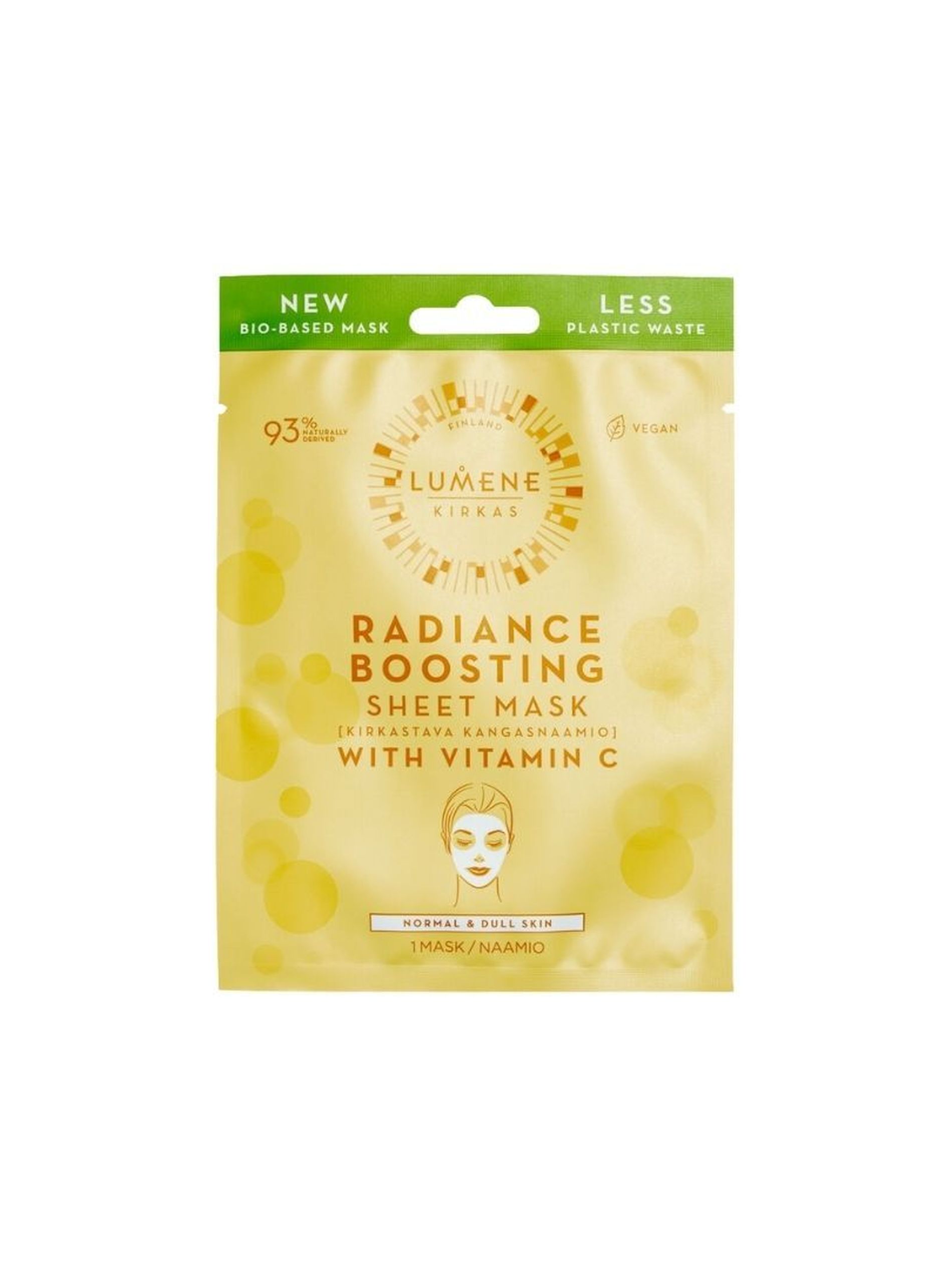
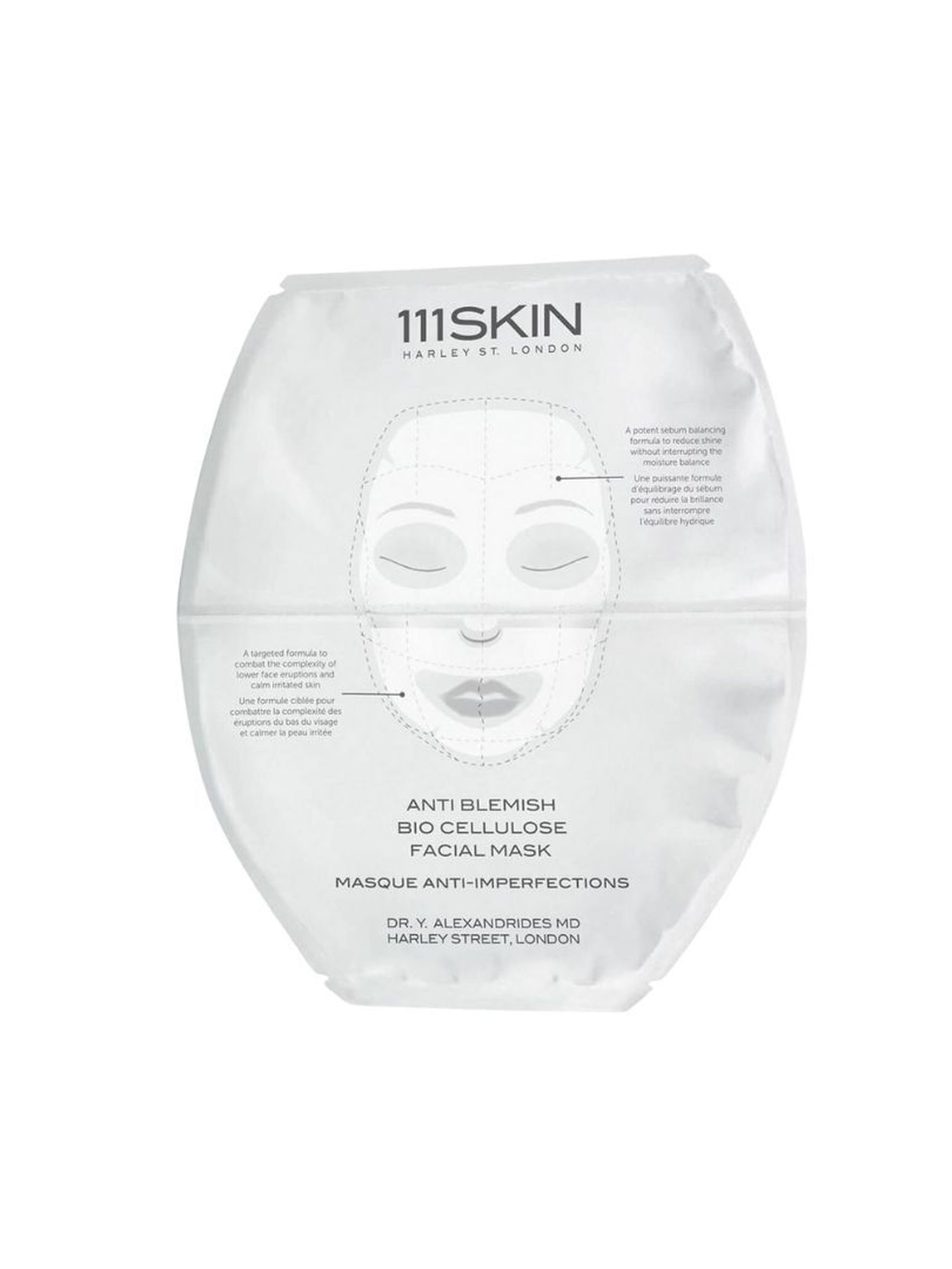
One such brand is Lumene, whose Radiance Boosting Sheet Mask is made from wood-based fibres. Another is 111Skin’s two-part Anti Blemish Bio Cellulose Facial Mask, which begins biodegrading as soon as it’s exposed to air and will fully decompose in about two months.
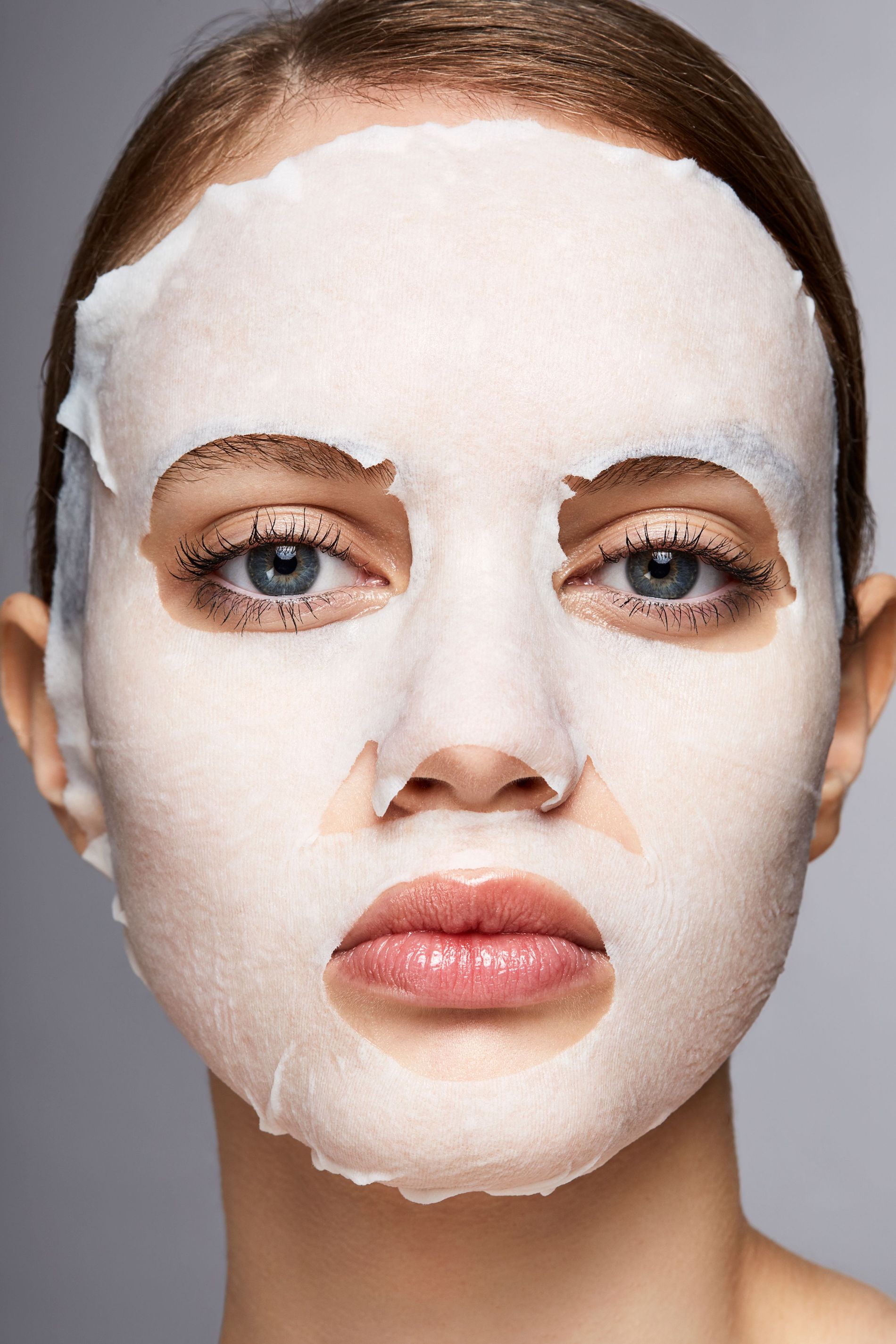
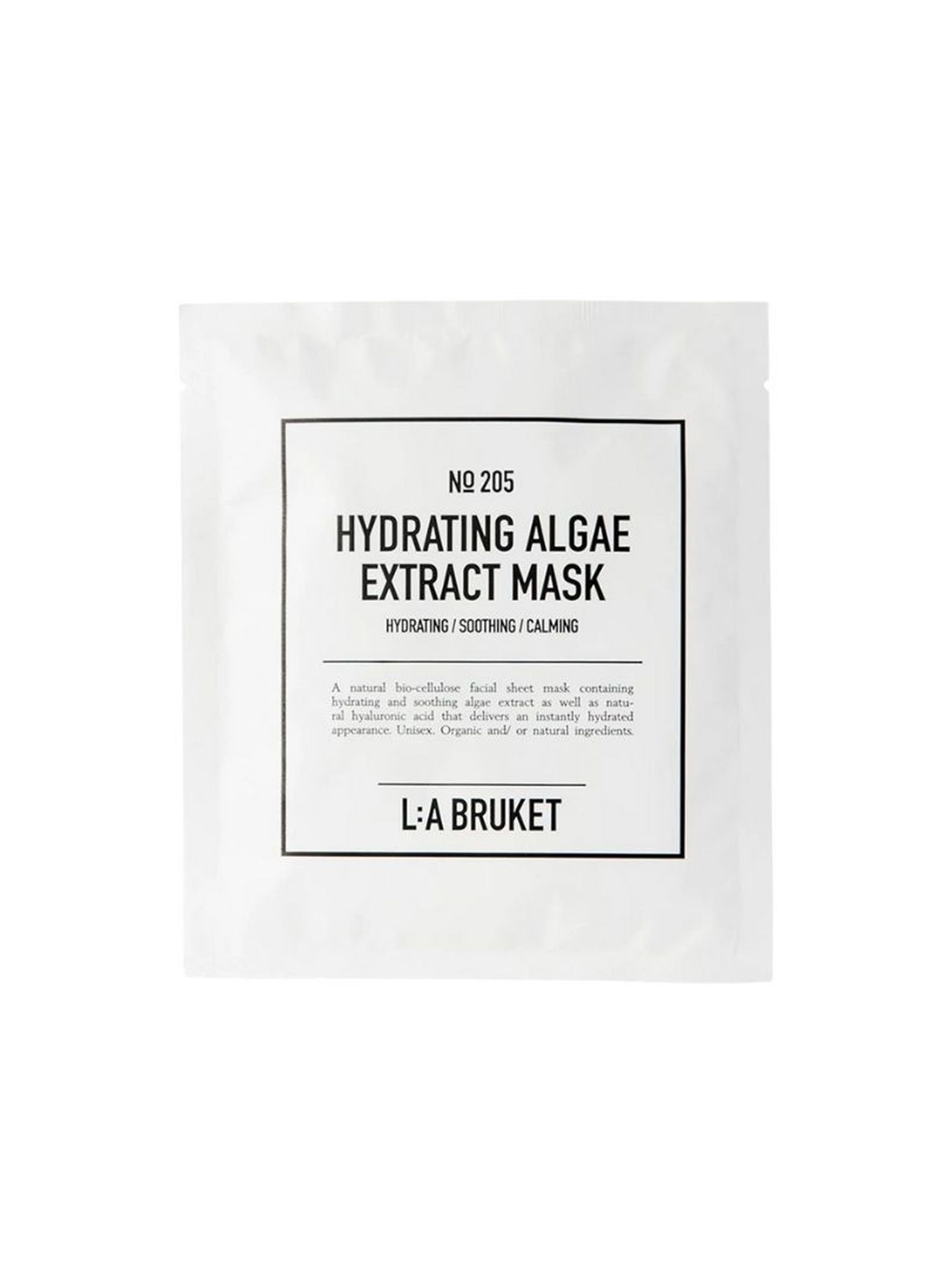
But perhaps the most disruptive brand is L:A Bruket with its ‘advanced’ bio cellulose sheet mask made from fermented coconut juice that can be thrown into your compost after use. “After cutting the bio-cellulose fibres into masks, the sheets are dried before being soaked with serum," says general manager, Stanislas Le Bert. "This differs from regular bio cellulose sheet masks, where the serum is added onto wet sheets and preservatives are required to prevent bacteria. With our sheet masks, no unnecessary preservatives or chemicals are needed in the serum’s formula, only the power of natural active ingredients.”
This latter point is also crucial, as serums thick with silicones prevent bio cellulose masks from decomposing and leak chemicals into the soil, so it's worth scanning the ingredients list first.
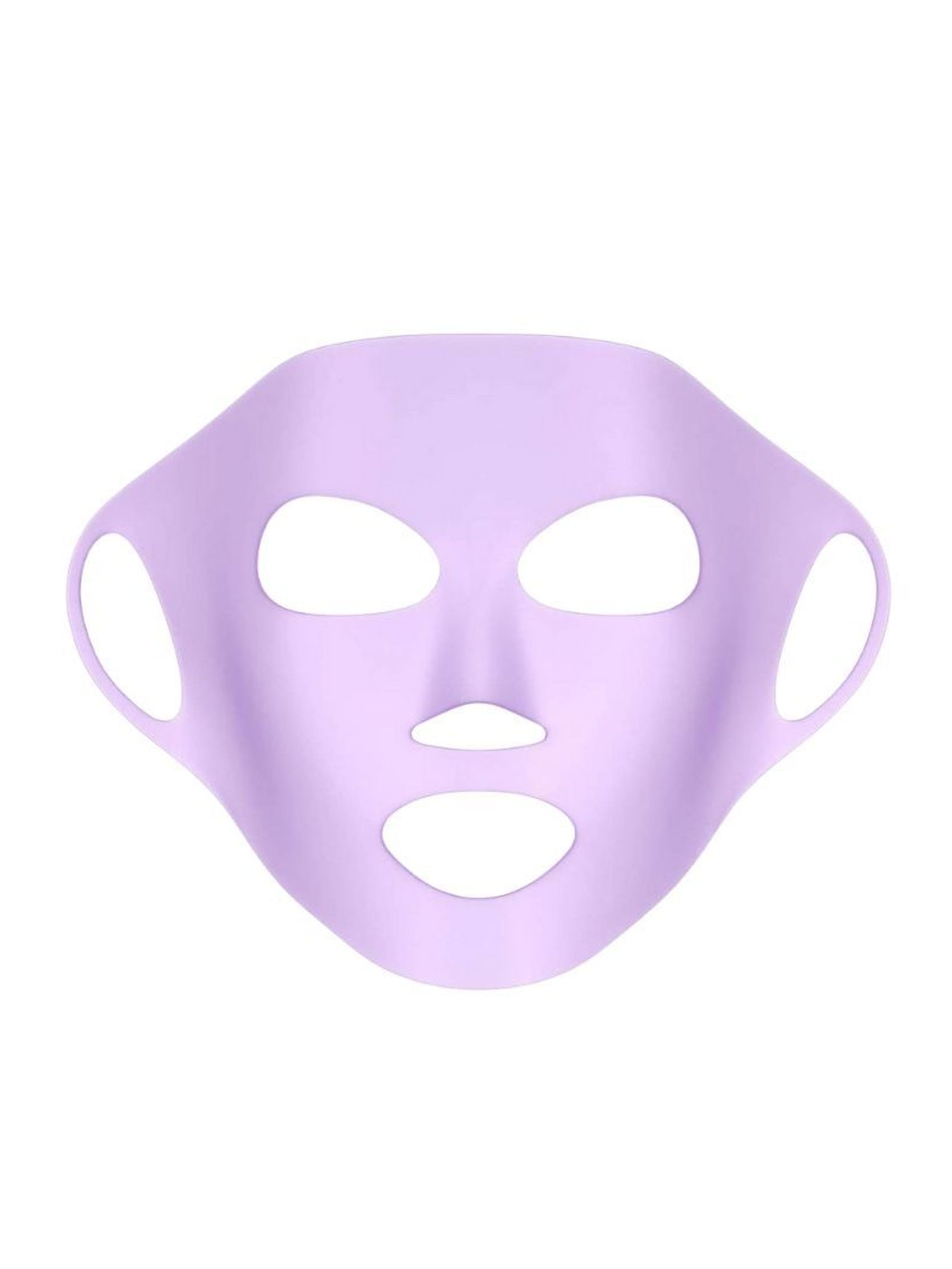
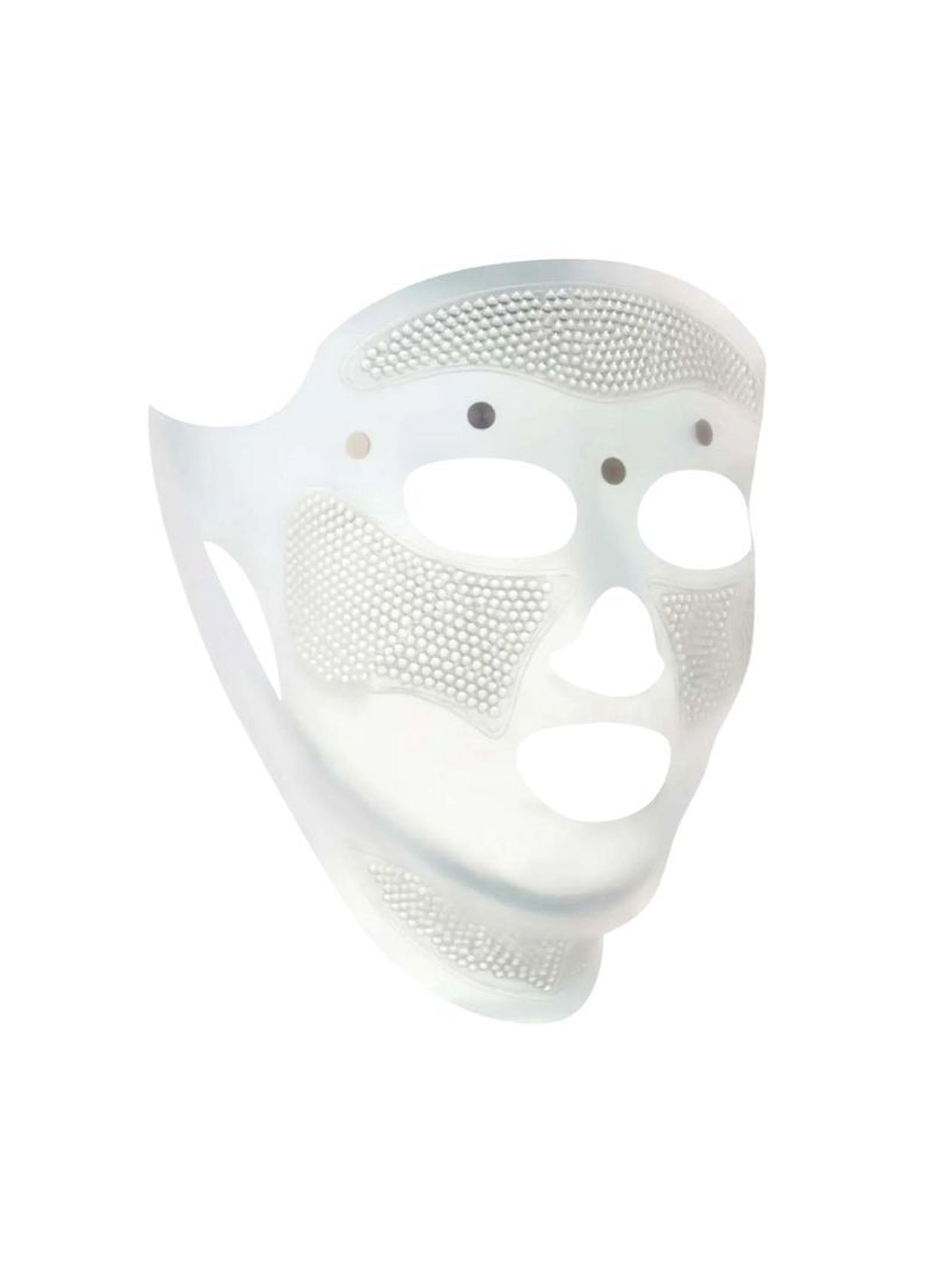
Another option is to invest in a reusable silicone sheet mask that you wear over the top of your skincare to lock in the glow-galvanising ingredients. Good ones to try are Nurse Jamie's FaceWrap and Charlotte Tilbury's Cryo-Recovery Face Mask, which has the added bonus of cooling metal beads along the brow, cheekbone, and jawline to flush out water retention.
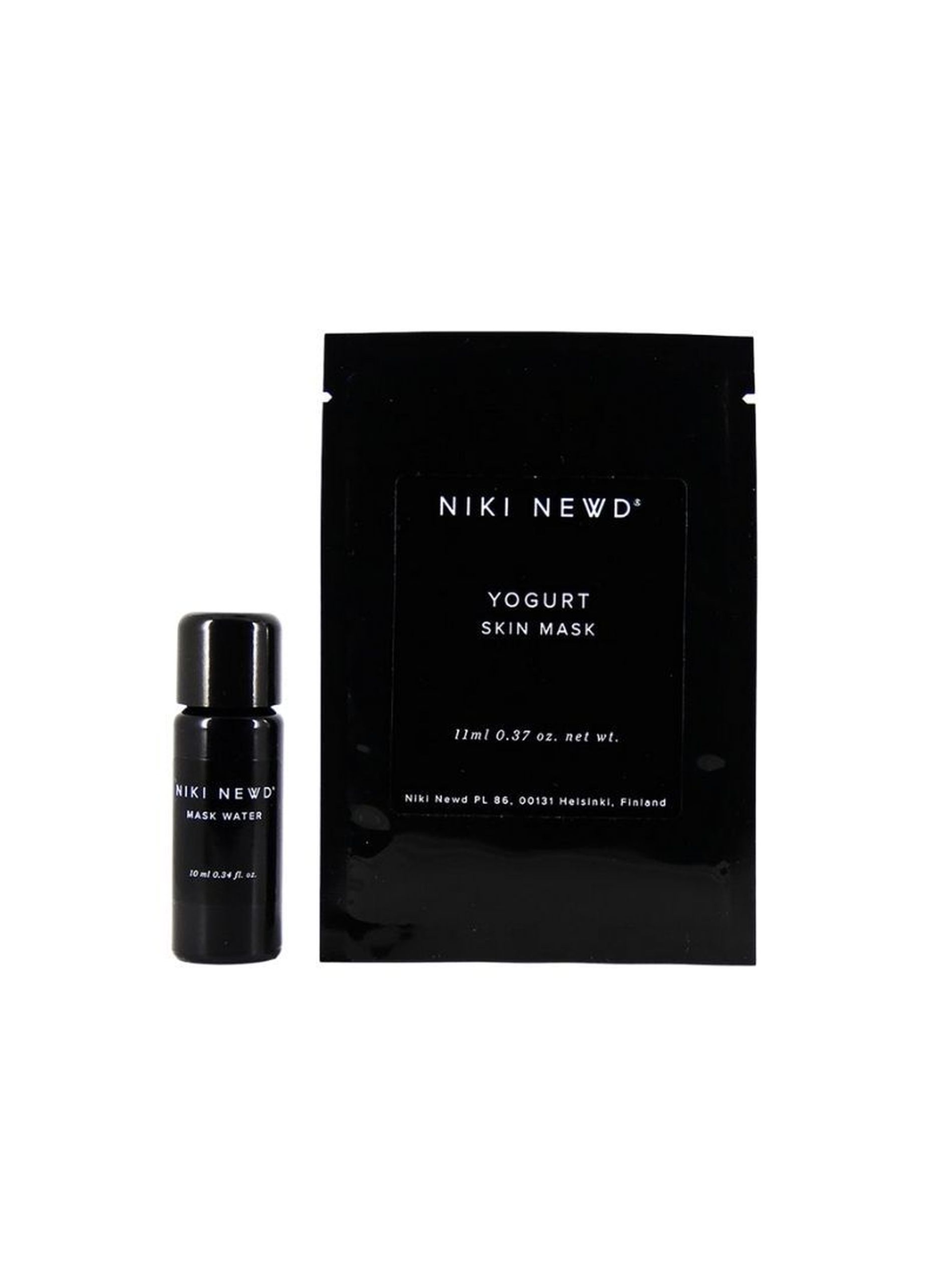
Or branch out into powdered masks, which eliminate the need for a sheet-like covering altogether along with preservatives, fillers or alcohol and use less energy to produce. All Niki Newd face masks come with a sachet of powdered actives and a miniature bottle of pure spring water from Lapland (both recyclable) to be mixed together and applied directly onto the skin.